Early Mornings, Evenings, and Saturday Appointments Available

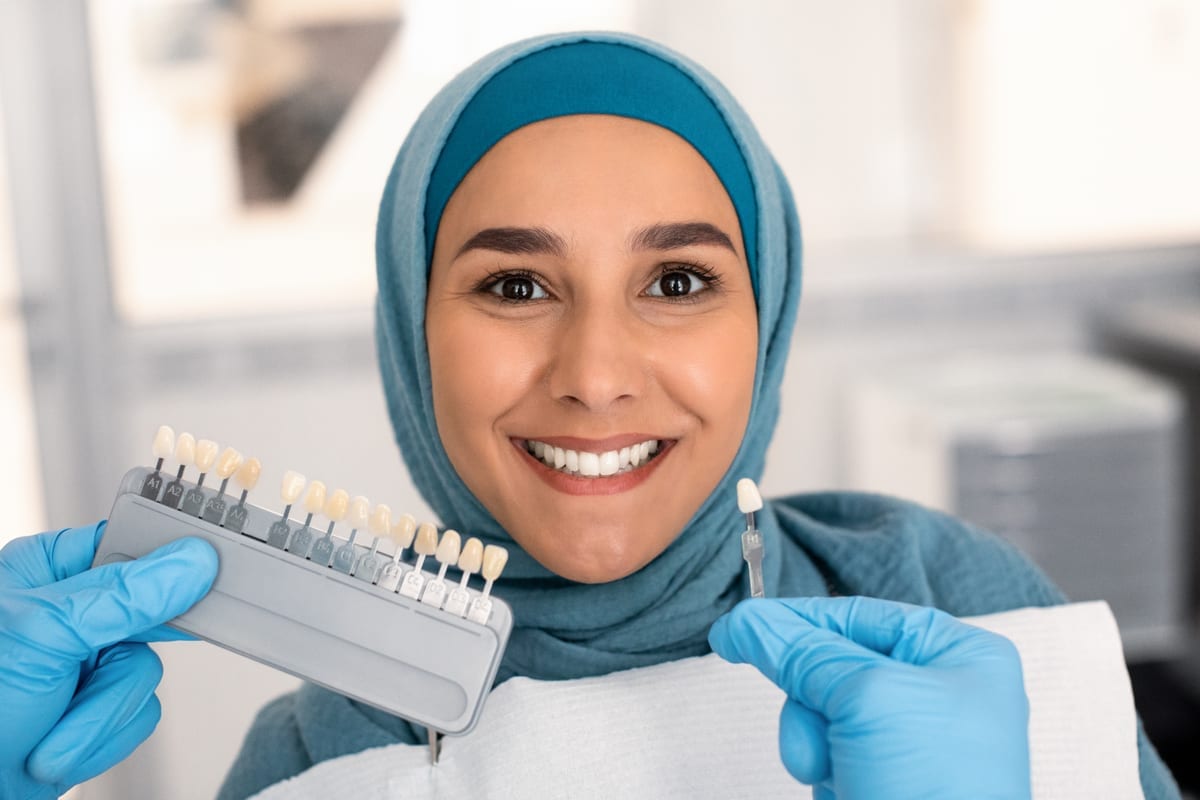
Choosing between porcelain and composite veneers is one of the most common questions patients ask at Dental Artistry Irving. Both options can dramatically improve your smile. But they differ in cost, durability, and how they look over time. Understanding those differences helps Irving patients make a confident, informed choice.
When weighing porcelain vs. composite veneers — which lasts longer and costs less in Irving — there is no single right answer for everyone. Your lifestyle, budget, and smile goals all play a role. Dr. Radhika Srikrishnan Iyer takes time to walk each patient through every option clearly and honestly.
What Are Porcelain and Composite Veneers?
Veneers are thin shells bonded to the front surface of your teeth. They cover chips, stains, gaps, or uneven edges. The material used — porcelain or composite resin — changes nearly everything about the experience and result.
Porcelain veneers are custom-crafted in a dental lab. They require two or more visits to complete. Each shell is made from high-quality ceramic material that closely mimics natural tooth enamel.
Composite veneers are made from tooth-colored resin applied directly to the tooth. A skilled dentist sculpts and polishes the material in a single visit. This makes them faster and more affordable upfront.
Both types can be part of a broader Smile Makeovers Irving treatment plan, depending on your specific needs and goals.
Porcelain vs. Composite Veneers Irving: Comparing Aesthetics and Feel
Aesthetics matter deeply when it comes to veneers. After all, you want results that look natural and last beautifully. Porcelain tends to win this comparison for most patients.
Porcelain reflects light the same way natural enamel does. This gives your smile a lifelike translucency that composite resin cannot fully replicate. Porcelain is also highly resistant to staining from coffee, wine, or tea.
Composite resin has improved significantly over the years. In skilled hands, it can look very natural. However, it tends to absorb stains more easily. It may also lose some of its polish over time with regular wear.
If aesthetics are your top priority, porcelain often delivers a more polished, long-lasting result. Composite still offers a meaningful improvement — especially for patients on a tighter timeline or budget.
Durability: Which Veneer Type Lasts Longer?
Durability is where porcelain and composite differ the most. Porcelain veneers typically last 10 to 15 years or longer with proper care. Some patients keep theirs for 20 years without issue.
Composite veneers generally last 5 to 7 years before they need repair or replacement. They are more prone to chipping and wear. Daily habits like nail biting or chewing on hard objects can shorten their lifespan.
That said, composite veneers have one major durability advantage: repairability. When a composite veneer chips, your dentist can fix it chairside in a single appointment. Porcelain, once cracked, usually requires a full replacement of that shell.
- Porcelain lasts 10–15+ years on average
- Composite lasts 5–7 years on average
- Composite chips are easier and cheaper to repair
- Porcelain resists staining far better over time
- Both require good oral hygiene to reach their lifespan potential
Patients who play contact sports should also discuss protective options with Dr. Iyer. Wearing a Sports Mouth Guards Irving can protect your veneer investment during physical activity.
Cost Comparison: Which Option Costs Less in Irving?
Cost is often the deciding factor for Irving patients. Composite veneers typically cost less per tooth upfront than porcelain. This makes them an accessible starting point for smile improvement.
However, the long-term math can look different. Because composite veneers need replacement sooner, you may spend more over a decade than you would with porcelain. Porcelain costs more initially but spreads that investment across many more years.
Here is a general framework for understanding the cost difference:
- Composite veneers: Lower upfront cost per tooth; may need replacement in 5–7 years
- Porcelain veneers: Higher upfront cost per tooth; typically last 10–15+ years
- Repair costs for composite are minimal and done in one visit
- Porcelain replacement requires a new lab-fabricated shell each time
- Total lifetime cost can favor porcelain for long-term smile investment
Dr. Iyer always reviews exact pricing with patients during a consultation. Every smile is different, and treatment plans are tailored to individual needs and goals.
The Procedure: What to Expect for Each Type
The process for getting veneers differs depending on the material. Knowing what to expect helps patients feel prepared and comfortable going into treatment.
For composite veneers: Your dentist lightly etches the tooth surface. The composite resin is applied layer by layer. It is then shaped, cured with a special light, and polished. The entire process usually takes one visit.
For porcelain veneers: A small amount of enamel is removed from the tooth surface. This is necessary to make room for the porcelain shell. Impressions or digital scans are taken and sent to a dental lab. You wear temporary veneers while your permanent ones are crafted. A second visit bonds the final veneers in place.
At Dental Artistry Irving, Dr. Iyer uses Digital Smile Design technology. This allows patients to preview their results before any treatment begins. It takes the guesswork out of the process entirely.
Which Veneer Is Right for You?
The best veneer depends on your unique situation. There is no universal answer, but there are helpful patterns to consider.
Composite veneers may be ideal if you want a fast, affordable improvement. They also suit patients who prefer a reversible or repairable option. If you are not ready to commit to enamel removal, composite is the lower-commitment choice.
Porcelain veneers are a better fit for patients who want maximum durability and a flawless aesthetic. They suit patients investing in a long-term smile transformation. If you are planning a full smile makeover, porcelain often delivers the most dramatic and lasting results.
During your consultation at Dental Artistry Irving, Dr. Iyer evaluates your teeth, listens to your goals, and recommends the option best suited to your smile and lifestyle. You leave with clarity — not confusion.
Conclusion
Both porcelain and composite veneers can genuinely transform your smile. Porcelain offers superior longevity and aesthetics. Composite offers speed, repairability, and lower upfront cost. The right choice depends on your goals, budget, and how long you want your results to last. Dr. Radhika Srikrishnan Iyer and the team at Dental Artistry Irving are here to help Irving patients navigate that decision with confidence. Book Now to schedule your appointment with our team.
Frequently Asked Questions
Are porcelain veneers worth the extra cost compared to composite?
For many patients, yes. Porcelain veneers last significantly longer and resist staining better than composite. Over 10 to 15 years, the higher upfront cost often balances out when you factor in fewer replacements and repairs. Dr. Iyer can help you compare options based on your specific goals.
Can composite veneers be replaced with porcelain later?
Yes, in most cases. If you start with composite veneers and later decide you want porcelain, the transition is possible. Your dentist will evaluate the current condition of your teeth and plan the upgrade accordingly. This is a common path for patients who want to test the look before committing to porcelain.
Do veneers of either type require special care?
Both types require good daily oral hygiene — brushing, flossing, and regular dental checkups. You should avoid biting hard objects like ice or fingernails. Using a nightguard if you grind your teeth also helps protect your investment. Dr. Iyer will provide specific aftercare guidance based on your veneer type.
How many teeth are typically covered with veneers?
Most patients treat the teeth visible when they smile — often six to ten teeth across the upper arch. Some patients only address one or two problem teeth. The number depends entirely on your smile goals and what will create the most balanced, natural-looking result.
Is the veneer procedure painful?
Most patients experience minimal discomfort during the veneer process. Local anesthesia is used during enamel preparation for porcelain veneers. Composite veneers involve less tooth preparation and are generally very comfortable. Some mild sensitivity after the procedure is normal and typically fades within a few days.