
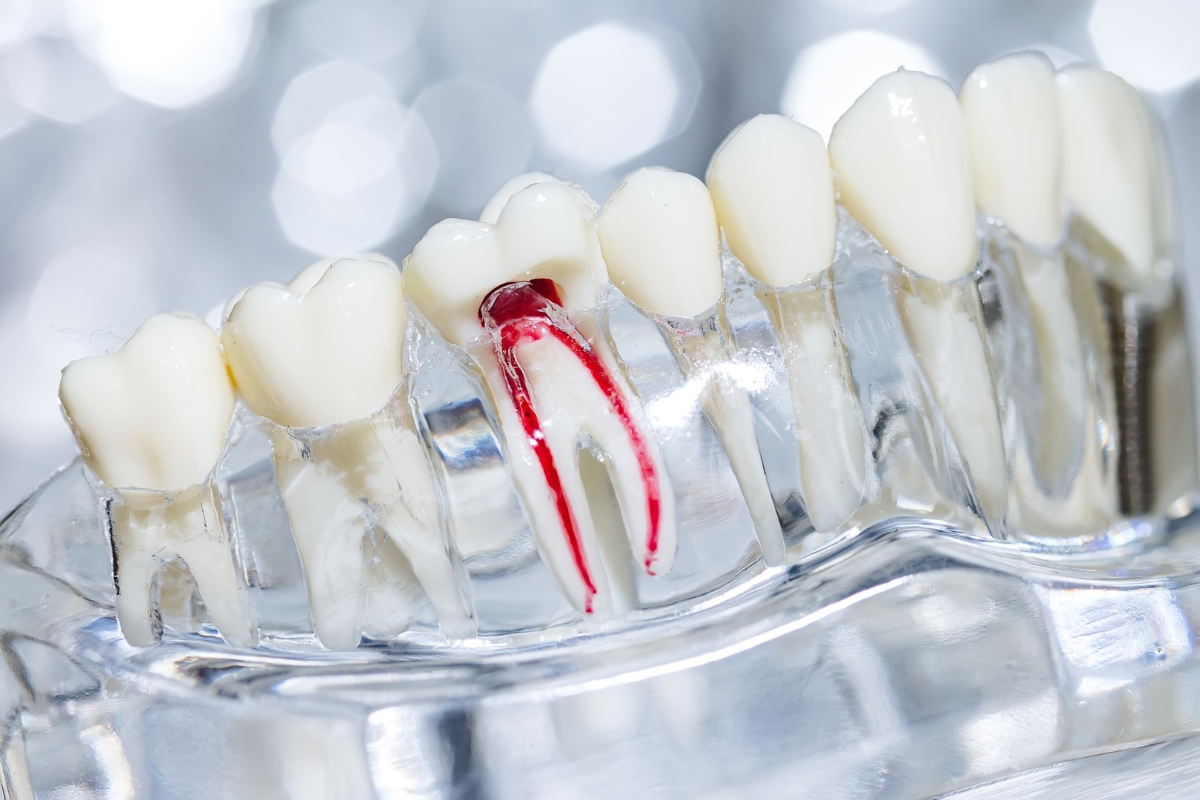
Getting a root canal is a big step toward getting your mouth healthy again, but the work doesn’t stop when you leave the dentist’s chair. What you do afterward really matters. Good follow-up care helps you heal well and keeps your teeth in good shape for the long haul. Let’s talk about what happens after a root canal—what you can expect, and what you should actually do to take care of your teeth while you recover.
Why does follow-up care matter?
A root canal gets rid of infected tissue inside your tooth and seals things up so you don’t get another infection. That’s great, but how you treat your tooth in the days after matters just as much. Taking care of yourself now means a lower risk of problems like pain, swelling, or further infection down the road.
The first few days set the tone for your recovery. Handle them right, and you’ll avoid most of the usual issues. Here’s what you need to know:
Right After Your Root Canal
- You’ll probably feel some soreness or notice slight swelling for a couple of days. That’s normal. Grab some over-the-counter painkillers if you need them, and if your dentist says so, use a cold pack to keep the swelling down.
- Don’t use the treated tooth to chew foods for a few days. Give it time to heal—do not put extra pressure on it right away.
- Keep your mouth clean, but go easy around the treated spot. Brush gently, floss carefully, and avoid poking or irritating the area while it’s settling down.
Follow-Up Appointments Matter
Once you get past those first few days, you’ll head back to your dentist for a check-in. They’ll look over your tooth, maybe take an X-ray, and make sure everything’s healing as it should. Sometimes you’ll need more work, like getting a crown, to keep your tooth strong and protected.
At your follow-ups, your dentist will:
- Check the tooth for infection or swelling.
- See if your tooth is ready for a crown (and make sure the fit is just right).
- Listen if you’ve had any weird pain or sensitivity, and fix it before it turns into something bigger.
Take Care of Your Tooth Long-Term
Once your root canal surgery site heals, don’t compromise on your dental care. Keep brushing and flossing every day. That’s your best defense against more problems later.
- Be careful with hard foods—biting down on something tough can crack your treated tooth or the crown that protects it.
- And keep seeing your dentist for regular check-ups. They’ll catch any issues early and make sure your root canal keeps doing its job.
Possible Risks—Just So You Know
Root canals work really well for most people, but there are a couple of things to watch for. Now and then, an infection sneaks back in if some bacteria hang around, or if the seal isn’t perfect. Sometimes, a tooth that’s had a root canal can get brittle and crack, especially if it doesn’t get a crown.
Your dentist will walk you through how to avoid these problems and what to look for if something feels off.
Bottom Line
What you do after a root canal makes a huge difference. Take care of your tooth, follow your dentist’s advice, and don’t ignore anything that feels painful. Worried about something? Just call our dentist at Dental Artistry Irving—they’re there to help you in every situation.
FAQs
- How long will I experience pain after a root canal?
Most discomfort lasts only a few days. If pain persists beyond what is expected, contact your dentist to rule out complications. - Can I eat after a root canal?
It’s best to avoid eating on the treated tooth until your dentist confirms it’s fully healed. Follow their instructions for when it’s safe to resume eating normally. - Do I need a crown after a root canal?
In most cases, a crown is necessary to protect the treated tooth. Your dentist will assess whether you need one during your follow-up appointments. - What should I do if I experience swelling after a root canal?
Swelling is common after the procedure, but if it worsens or becomes painful, contact your dentist. Ice packs and over-the-counter pain relievers can help manage mild swelling. - How often should I visit my dentist after a root canal?
After your initial follow-up, you should continue regular dental check-ups to monitor the treated tooth’s health and ensure it’s functioning properly.